Sustainability
For a Greener Future

Sustainable and resilient
Farming
Healthy soil
Owning 1000 hectares of prime West Sussex farmland, we’re ideally positioned to practice what we preach. So, we’re creating a regenerative environment to serve you for generations.
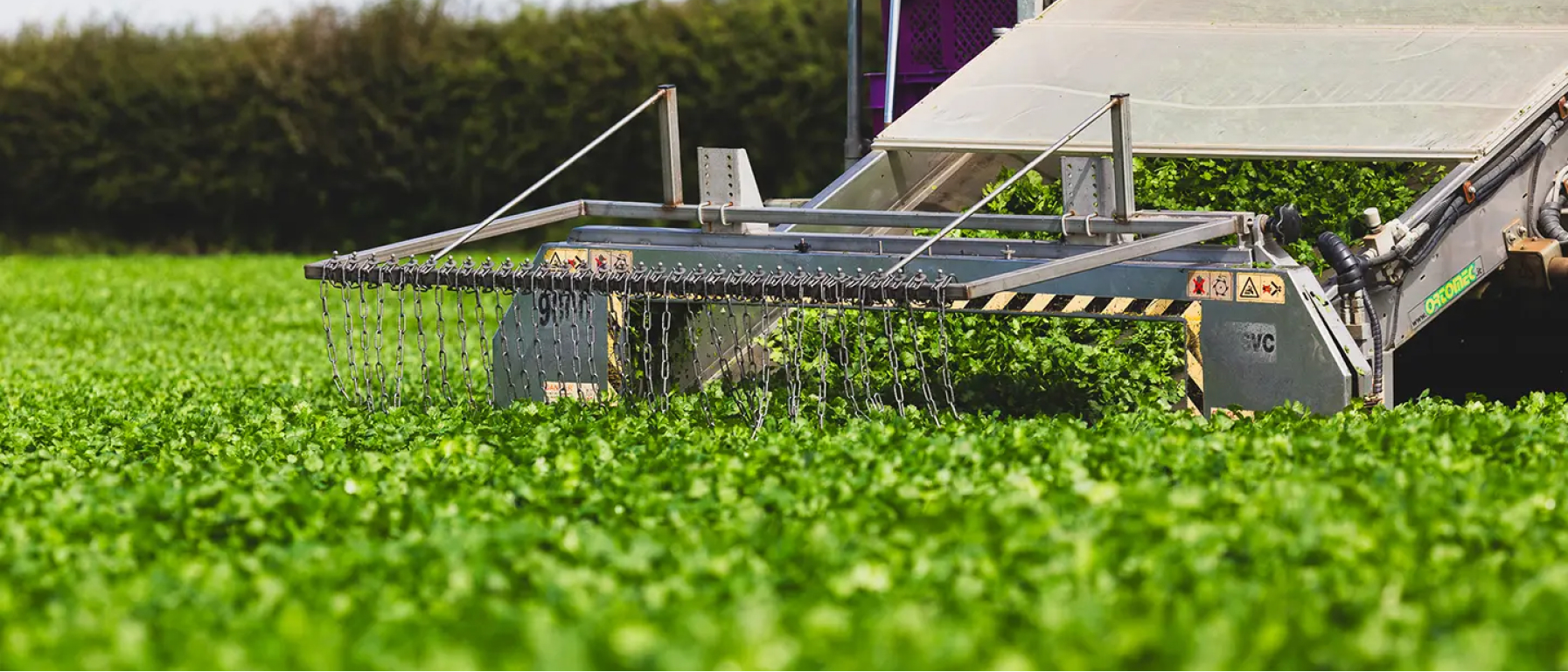
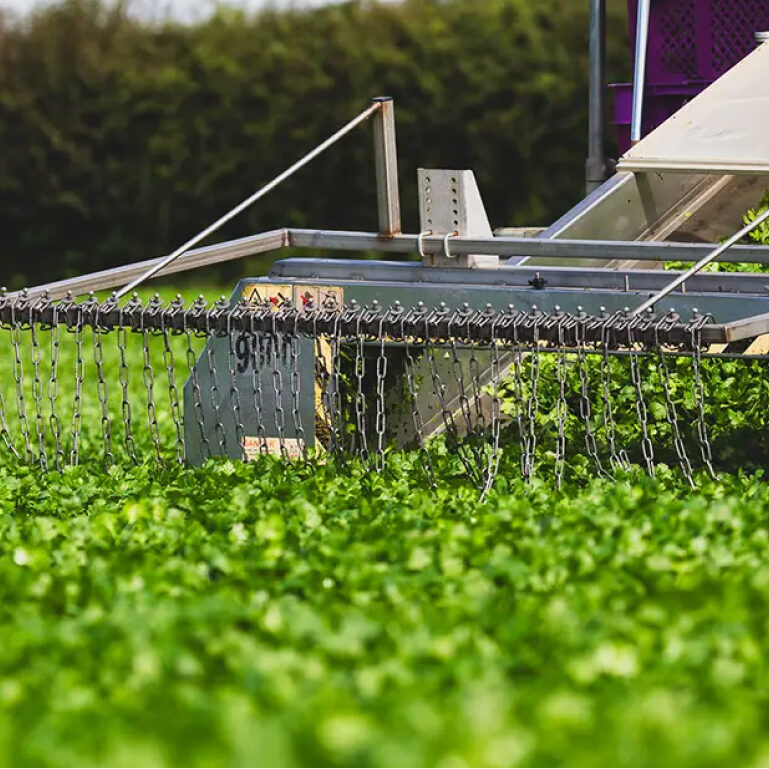
Able to control what we grow, we operate a four-crop regenerative farming rotation. By rotating herbs with other crops, such as wheat and a stewardship rotation, soil health improves. It also creates better quality yields for our fresh herbs:
We use our compost made from green waste and reduce tillage to protect the soil. Plus, we’re exploring moving all of our potted herbs to peat-free compost, helping to protect valuable peat landscapes.

Reduces soil erosion and enhances structure
Retains nutrients required for healthy crops
Encourages biodiversity
Helps capture carbon in the soil
Water resilience
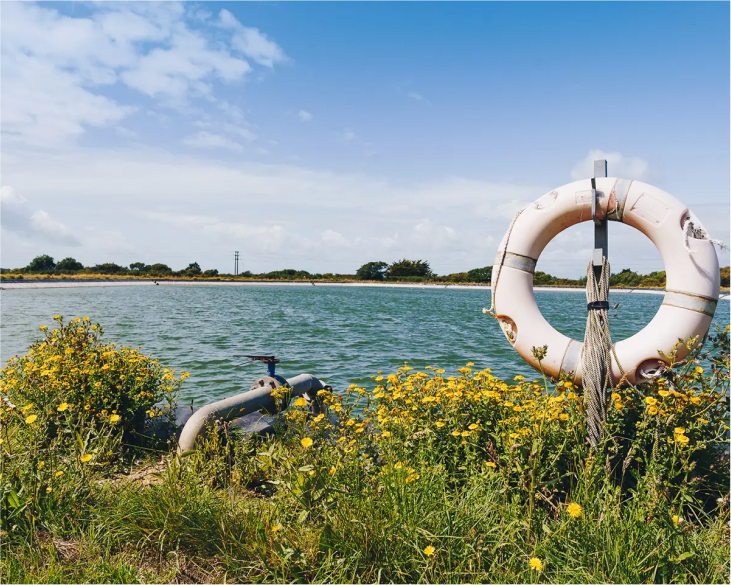
Nothing is more precious than water when growing herbs. With a six to eight-week cycle, irrigation is essential for plant health. And we’ve got this – sustainably.
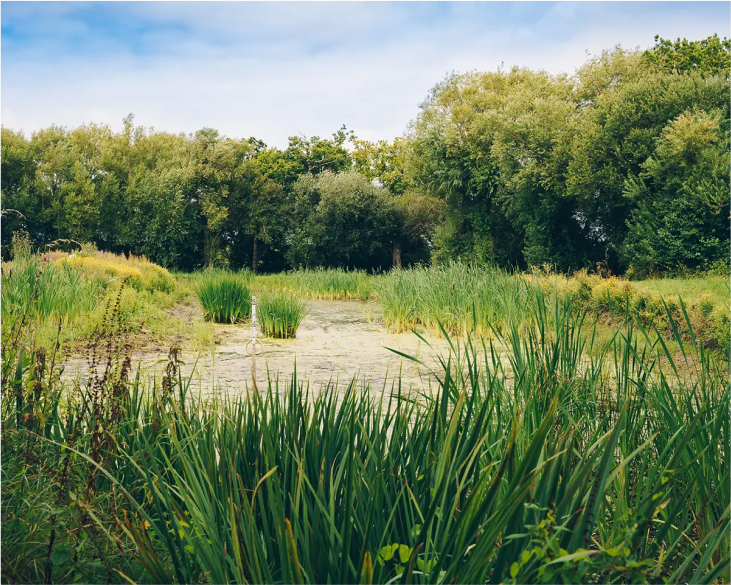
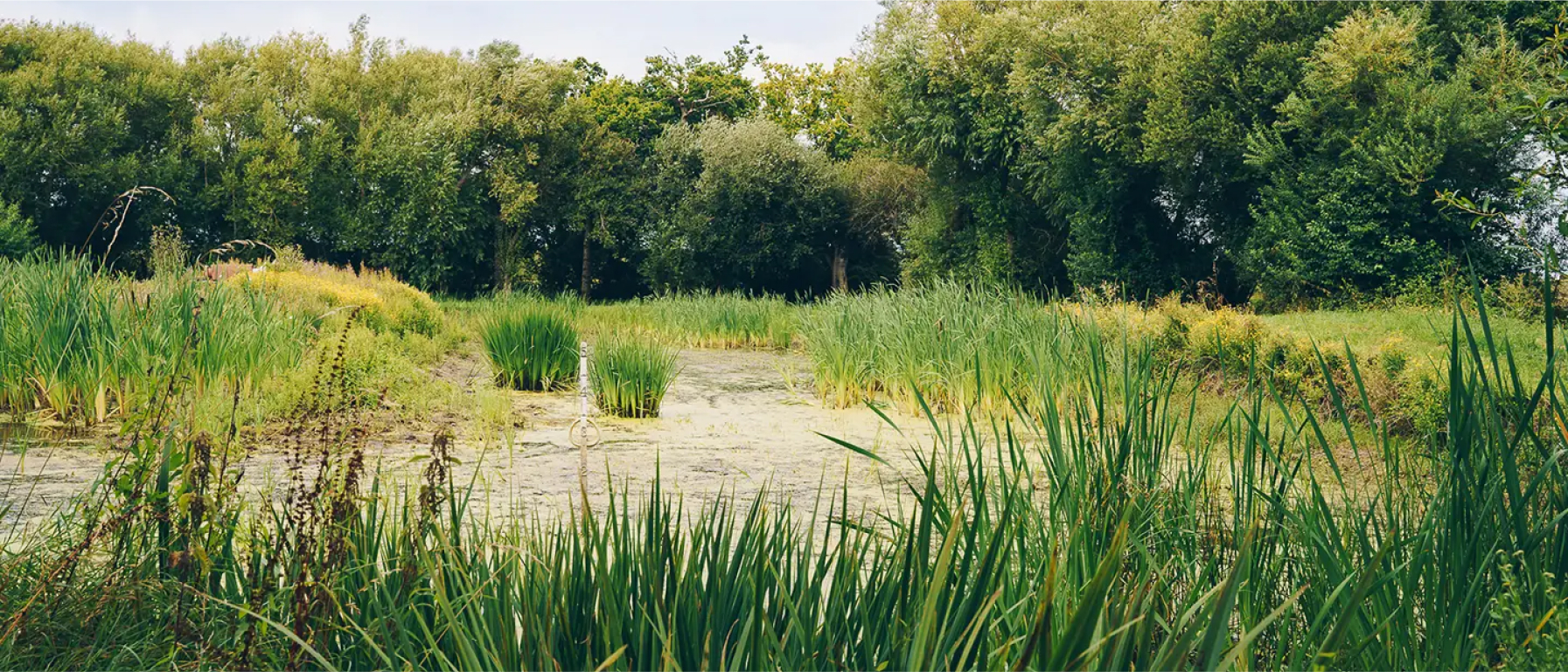
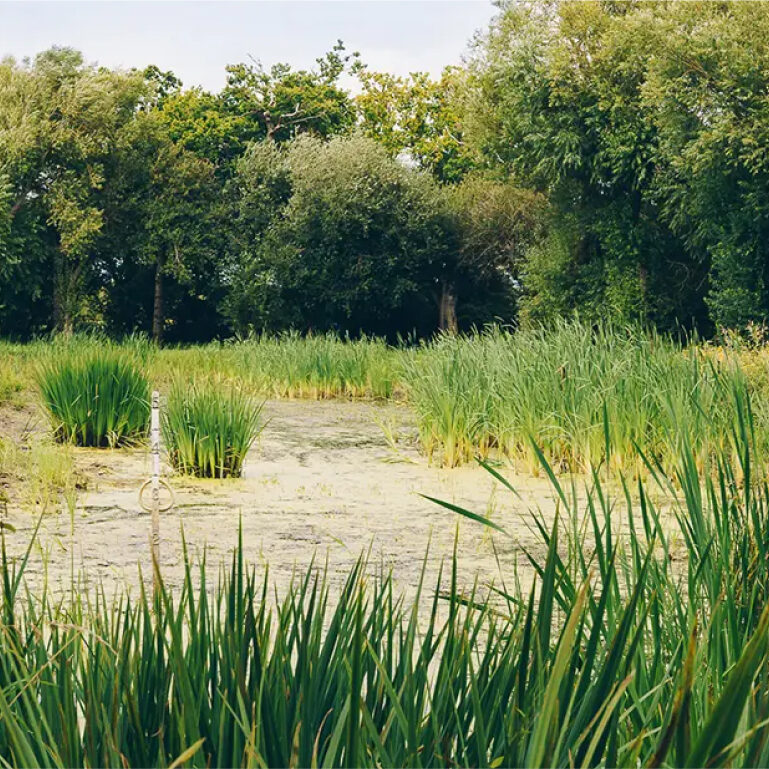
Collecting water used for washing salad leaves, we clean every drop via natural reed beds that make up part of a 700,000m3 irrigation network.
An extensive water network then draws from our natural reserves to irrigate each field.
Should rainfall prove elusive for a week or so, the herbs won’t suffer. Having our own water supply makes a huge difference to yields (and the quality of herbs you receive from us).
Energy resilience
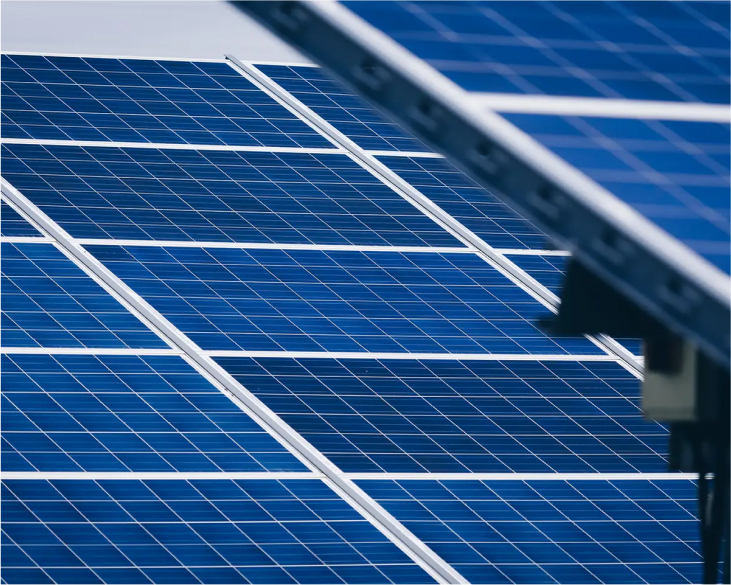
Langmead businesses produce more solar energy than we need. Sunlight can be bountiful in this near-coastal corner of Sussex so we’re capturing every ray we can.
With four huge solar farms on our land (including rooftops at Ham Farm and Walton Farm), we produce enough energy to run 10,000 homes.
Using what we need before feeding excess onto the grid, our solar production is net positive.
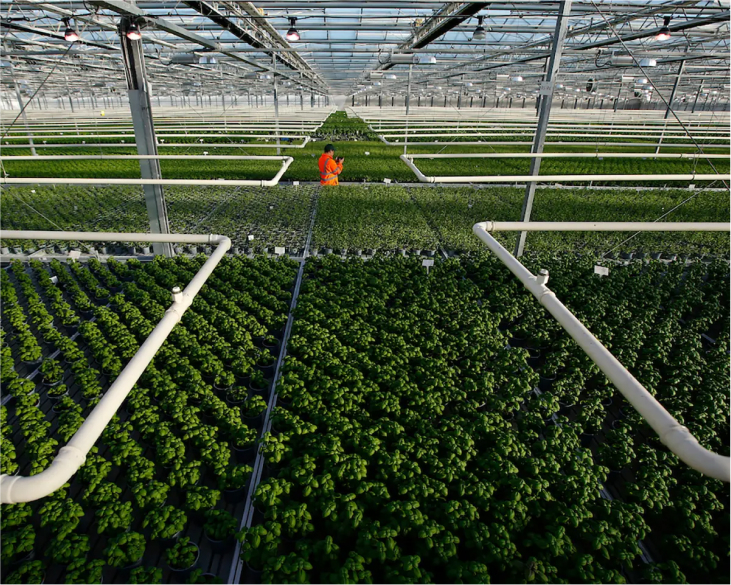
Our high-tech glasshouse weather station helps optimise energy usage at Walton Farm. Connected to our growing software, it helps things like boilers, lighting, and ventilation run efficiently.
We’ve installed biomass boilers to maintain the glasshouse temperature year-round. They’re fuelled by woodchip which is far more sustainable and better for the enviornment compared with other fuels.
Location resilience
Growing 85% of our British herbs in West Sussex, we operate 38 polytunnels (covering 1.5 hectares) and a 2.2-hectare glasshouse. Whatever the weather, we can handle it.
We supply the entire season with confidence thanks to longstanding partnerships overseas. Running a planned crop programme with 29 partner growers, we grow herbs in six countries including Spain, Italy, and Kenya.
These partner growers understand our customers and support us during the colder UK months. By growing in various geographical locations, we also reduce the risk of restricted supplies due to climate challenges.
Looking to grow more herbs in the UK, we’re trialling an onshoring project to assess viability. An important part of our research programme, the move would help keep prices stable while further reducing our carbon emissions.
Protecting our
Environment

Biodiversity
Agriculture relies on biodiversity. We believe every farm has a responsibility to help it flourish. Our support helps to maintain the local ecosystem and grow strong crops with abundant yields.
Incentive schemes
We’re huge fans of Sustainable Farming Incentives. By paying attention to crop rotation, and finding fresh uses for unproductive land, we improve local biodiversity.
-
Rotating crops to improve soil health and wildlife diversity
-
Rewilding land we cannot farm (planting trees and meadows)
-
Planting wider field margins with a stewardship mix
-
Managing hedges and ditches with biodiversity in mind
Supporting wildlife
A little help goes a long way, so we’re working with the local community to reintroduce birds and bees.
We’re providing sites for nesting boxes and owl boxes to a local volunteer scheme. We even created nesting sites for buzzards when local reintroduction was underway. And we support the RSPB with bird species surveys.
As for bees, local beekeepers enjoy free sites on our land. This also helps the quality of our land and the sustainability of our environment.